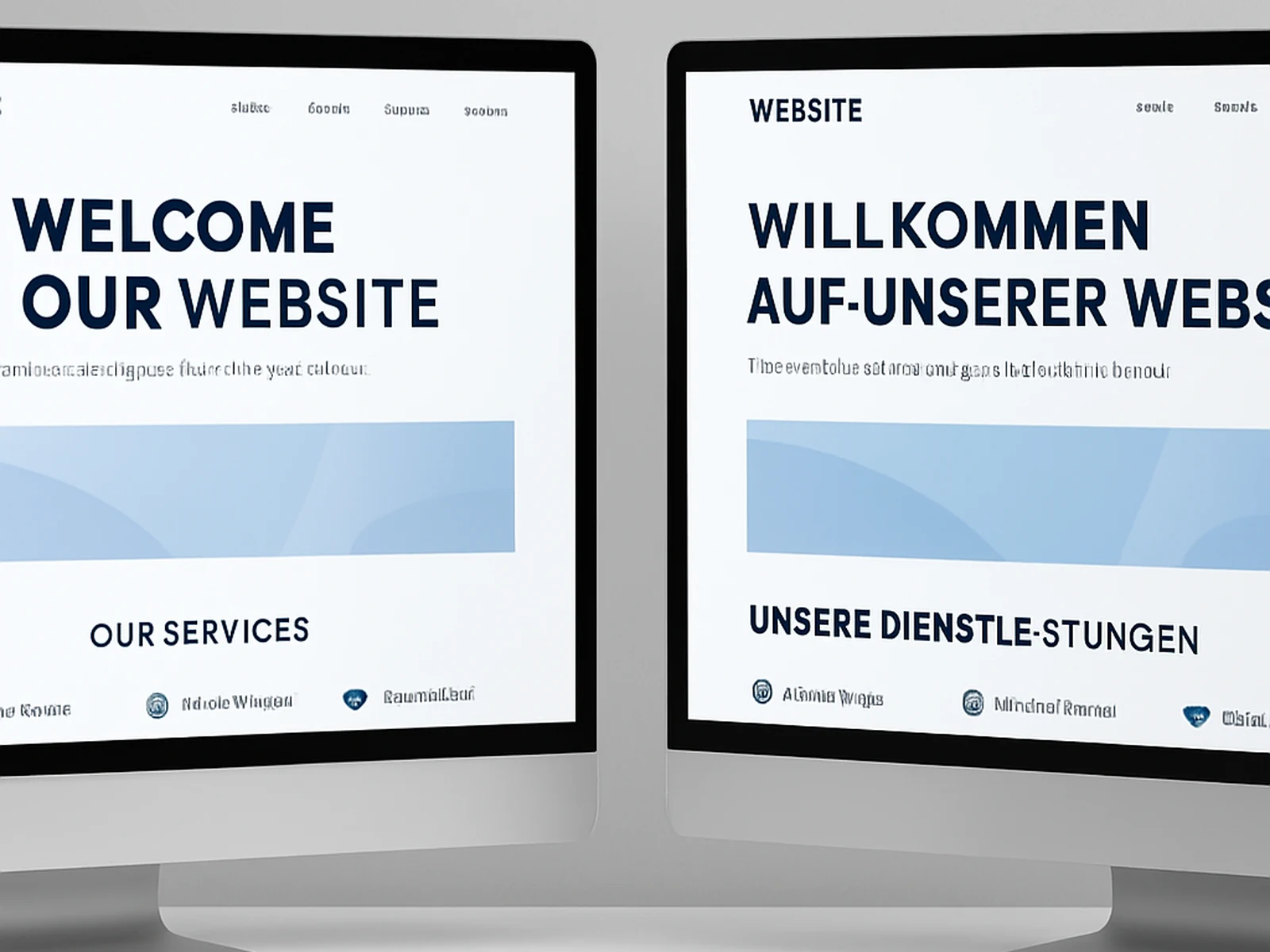
Website localization produces two different results depending on whether the translator approaches it as a language conversion task or a market adaptation task. Language conversion produces a website that is technically correct but reads awkwardly to native speakers, converts poorly, and often harms search performance in the target market because keywords have been translated literally rather than matched to actual search behavior.
We approach website localization as a market adaptation problem. The content needs to work in the target language for real users in that market -- not just be readable, but read naturally and drive the same actions as the original. This means adapting idioms, adjusting formality levels for markets that use them differently than English, restructuring benefit statements when the phrasing convention differs, and reviewing CTAs against conversion expectations in the target culture.
On the technical side, we deliver website translations in formats your CMS can work with directly. We have worked with WordPress, Webflow, Contentful, Sanity, Strapi, HubSpot, Shopify, and custom-built CMS platforms. Content can be returned in the CMS export format, HTML, Markdown, or structured data formats depending on your platform. SEO metadata -- title tags, meta descriptions, alt text, OG tags -- is translated and adapted as a standard part of the project, not an add-on.
For multi-page website projects, we establish a style guide and terminology glossary at the start of the project and maintain consistency across all pages. Header navigation, footer links, form labels, and error messages are included as standard -- not scoped separately.
SaaS companies, digital product teams, e-commerce brands, and B2B companies launching in new international markets.