Tech-first translation for software companies, SaaS platforms, and digital products. Fixed quotes, file-format flexibility, and translators who actually understand what they are reading.
JSON, XLIFF, PO, strings, CSV, SRT, VTT -- we work in whatever format your dev team exports. No conversion overhead, no reformatting your own content.
A software UI translator needs to know what a string placeholder does. A technical docs translator needs to understand the API they are describing. We match accordingly.
We confirm the delivery date before starting, not after. If a deadline cannot be met, we say so before you order rather than after the deadline passes.
Every project builds your translation memory. Repeat strings in future projects cost less and process faster. Ongoing clients see meaningful efficiency gains by quarter two.
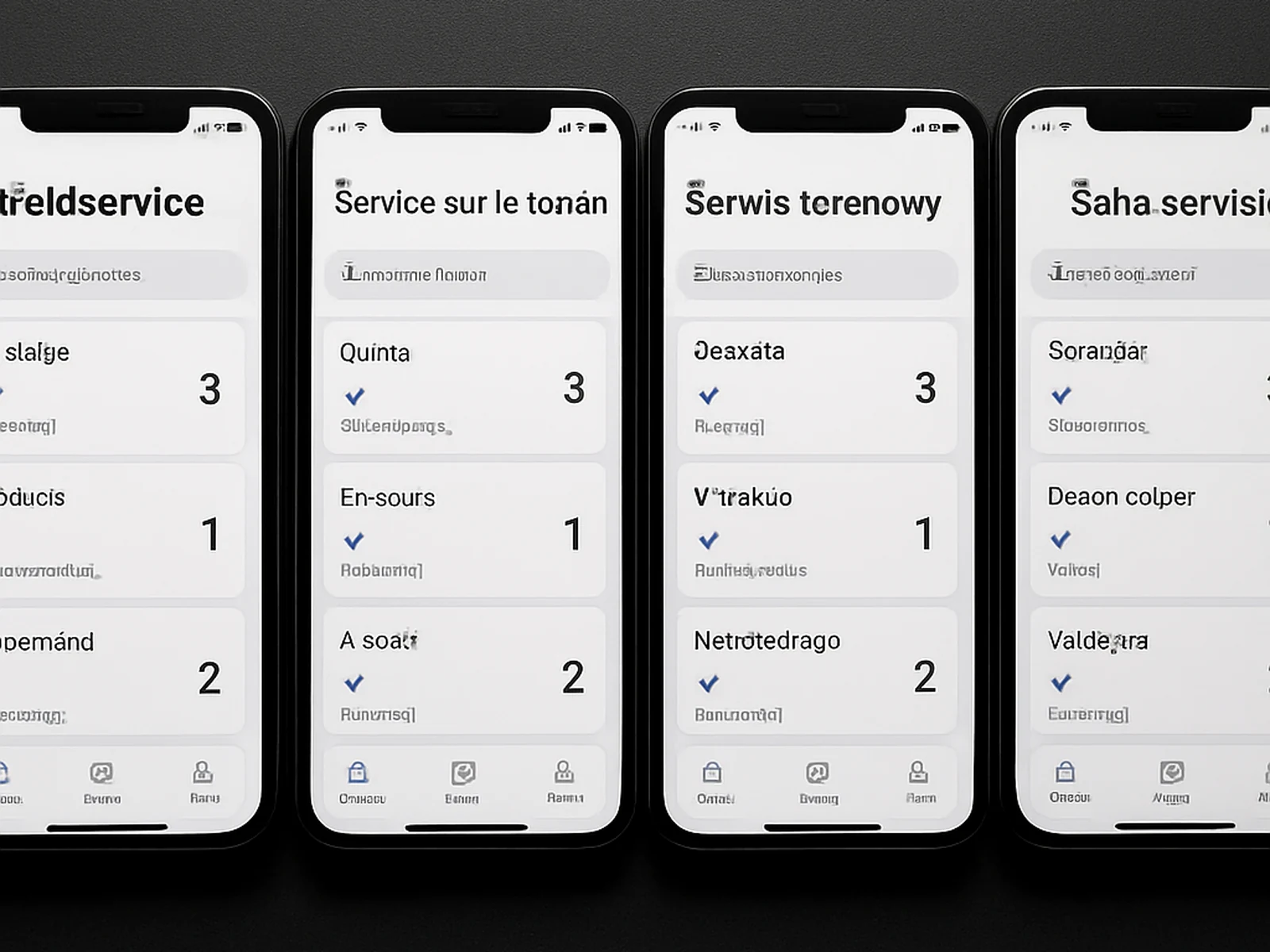
Fieldreach Inc. was rolling out their field service management app across four European markets simultaneously. Their localization file had 12,000 strings including technical abbreviations, unit labels, status codes, and conditional UI messages. Two previous attempts using general translation agencies had produced German versions that confused their German QA team, specifically around technical workflow terminology and the handling of variable placeholders in string templates.
We assigned separate translators for each language pair, each with software localization experience and familiarity with field service or industrial workflow terminology. A pre-translation glossary covering 340 technical terms was built and locked before translation began. Placeholder integrity (variables like {user_name}, {field_count}) was checked automatically against the source file during QA.
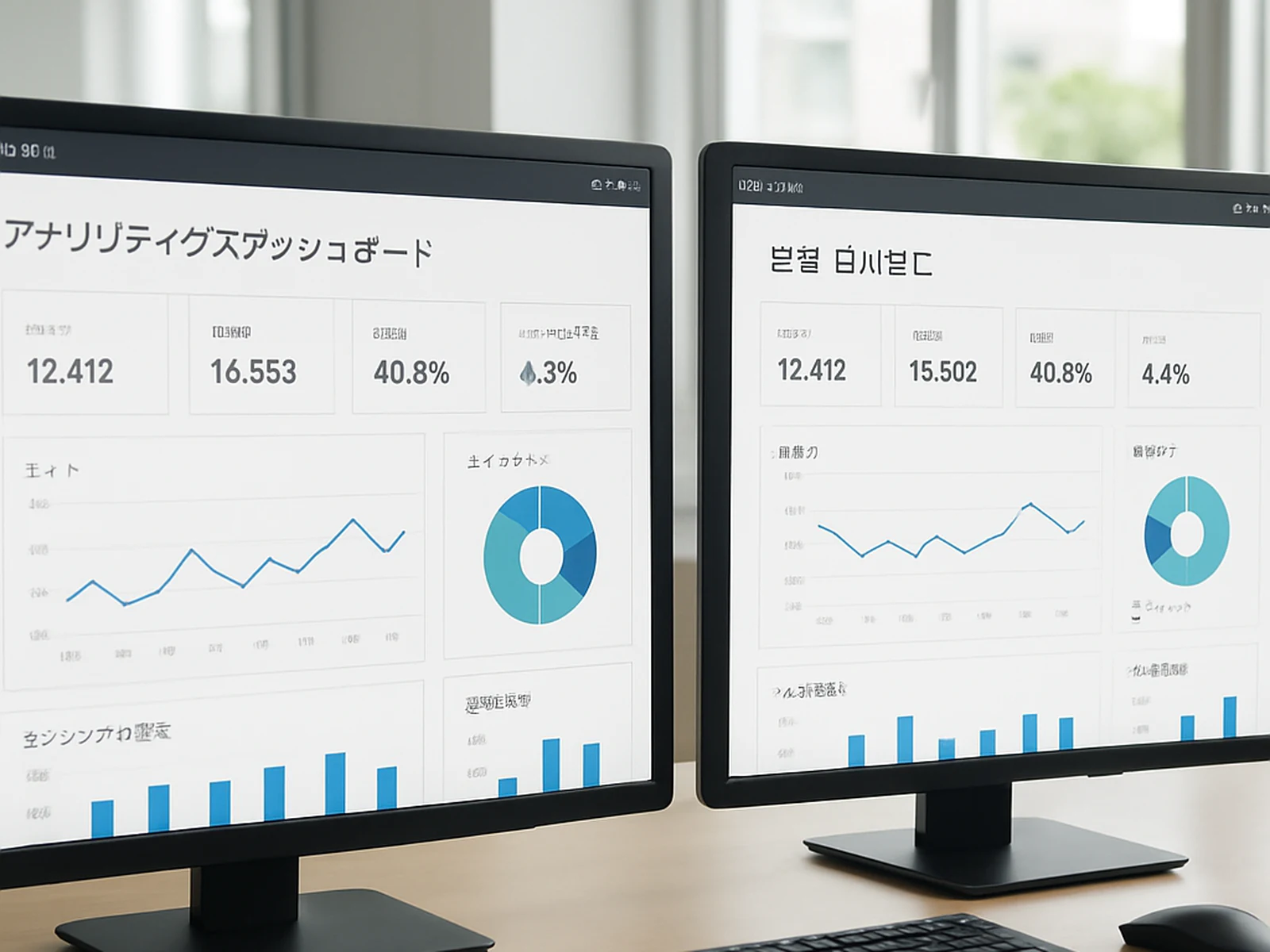
Syncore Analytics was entering the Japanese, Korean, and Spanish-speaking markets. Their help center contained 180,000 words across API documentation, integration guides, and tutorial content. The technical depth of the content -- OAuth flows, webhook configurations, SQL query examples, and REST endpoint descriptions -- required translators who could accurately explain technical processes, not just convert vocabulary.
We assigned technical documentation specialists for each language pair with verified experience in API documentation and SaaS help center content. Translation memory was established across all three language pairs to ensure consistent rendering of Syncore-specific terminology throughout the help center. A weekly batch delivery schedule allowed their engineering team to review and approve as translation progressed.
Upload source files in any format after checkout. We accept JSON, XLIFF, PO, strings, CSV, Word, HTML, SRT, VTT, and most CMS exports.
We verify word count, confirm language pairs, and assign a translator with the right technical or domain background for your content type.
Primary translator works the content. QA reviewer checks for accuracy, consistency, and format integrity. Any issues resolved before delivery.
Files delivered in your requested format. Translation memory updated. Revision window open for the period matching your package.
Twelve thousand strings, four languages, four weeks. Every QA team accepted them on first pass. That is the only metric that matters in localization.
They are one of the few agencies that understood what we meant by "keep the placeholder intact." Our previous vendor broke 200 strings per language by handling {variables} wrong.
We sent them a 90,000-word help center in XLIFF format and received it back correctly formatted with every tag intact. Took five days.
Their Japanese translator clearly understood the software. Every UI label read like it was written by our Japanese team, not translated from English.
From $149.35 for quick single-language projects to $1,087.25 for large-scale ongoing work.
We accept JSON, XLIFF (1.2 and 2.0), PO/POT, Android strings.xml, iOS .strings, CSV, Excel, Word, HTML, Markdown, SRT, VTT, SCC, and most CMS content exports. Contact us before ordering if your format is not listed.
Yes. Placeholder handling is a core part of our software localization QA process. We check that variables ({name}, %s, {{count}}, etc.) are present in translated strings exactly as in the source. Broken placeholders cause software errors and we verify against them as standard.
Yes. We return files in the same format you provide. You send us a JSON localization file, you get a translated JSON file in the correct structure. You send an XLIFF, you receive a translated XLIFF. No format conversion required from your end.
Word count is the total words in the source document(s). For multi-language projects, the word count applies per language pair. A 1,000-word document translated into French, German, and Spanish counts as 3,000 translated words total.
Translation memory archives previously translated content at the string level. When a string in a future project is identical or nearly identical to a previously translated string, it is reused rather than retranslated. Over time this reduces cost and delivery time for clients with repeated or overlapping content -- common in software updates.
Starter: 5 business days. Growth: 4 business days. Scale: 3-day priority. Express 48-hour delivery is available as a paid add-on through the package builder.
File format flexibility, dev-aware translators, fixed quotes before we start.